JELŠINGRAD
MANOR
interior
2025
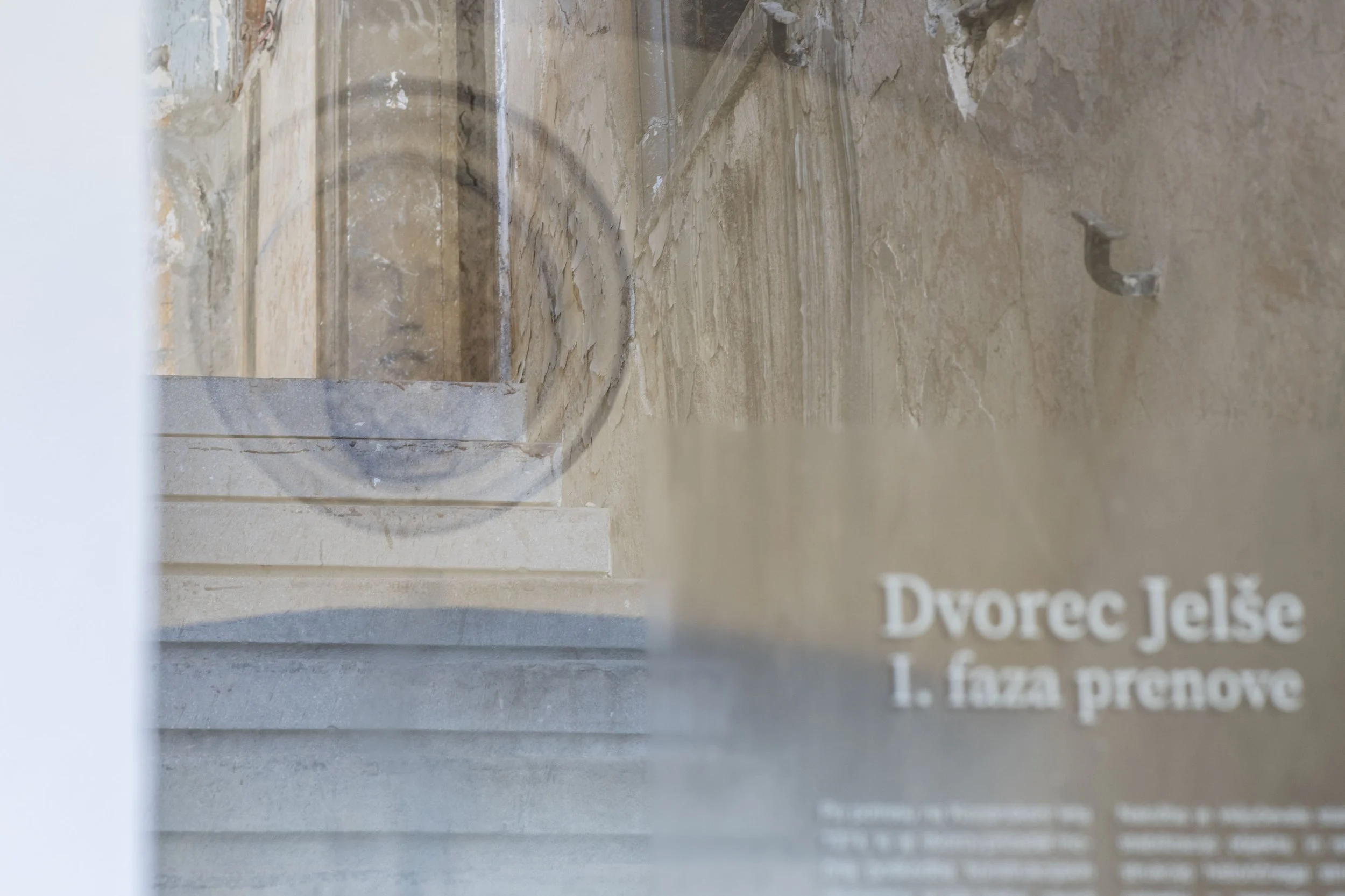
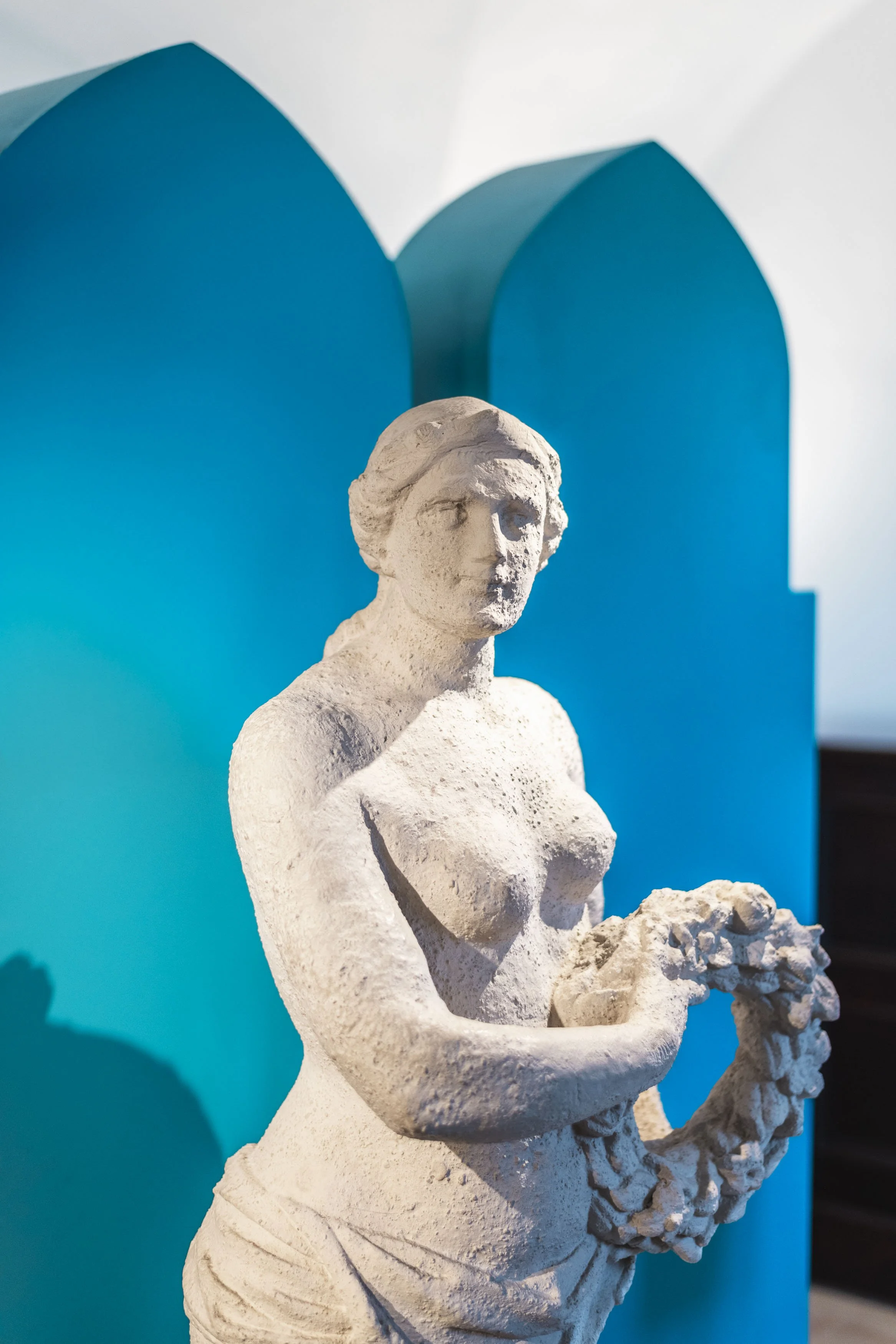
The first phase of the renovation of Jelšingrad Castle reactivates the ground-floor interiors through a conservation approach rooted in dialogue rather than imitation. Jelšingrad is a singular architectural work within the wider European context, shaped in the 19th century by Rudolf Gödel Lannoy as a meeting point of two worlds: the western Baroque tradition and the oriental influences he encountered during his diplomatic career in the Middle East. This duality, already legible in the architecture and landscape of the estate, became the conceptual foundation of the restoration.
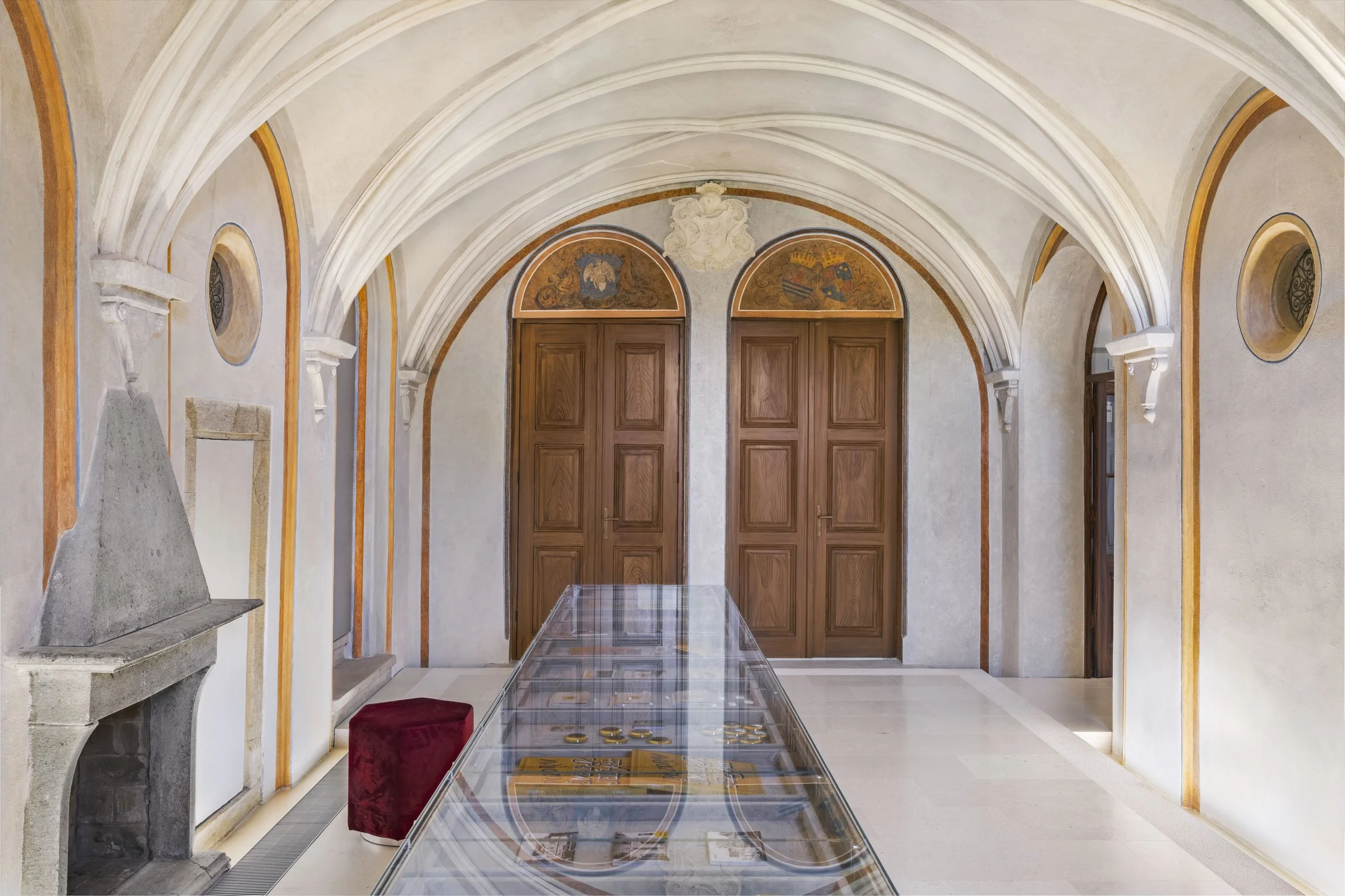
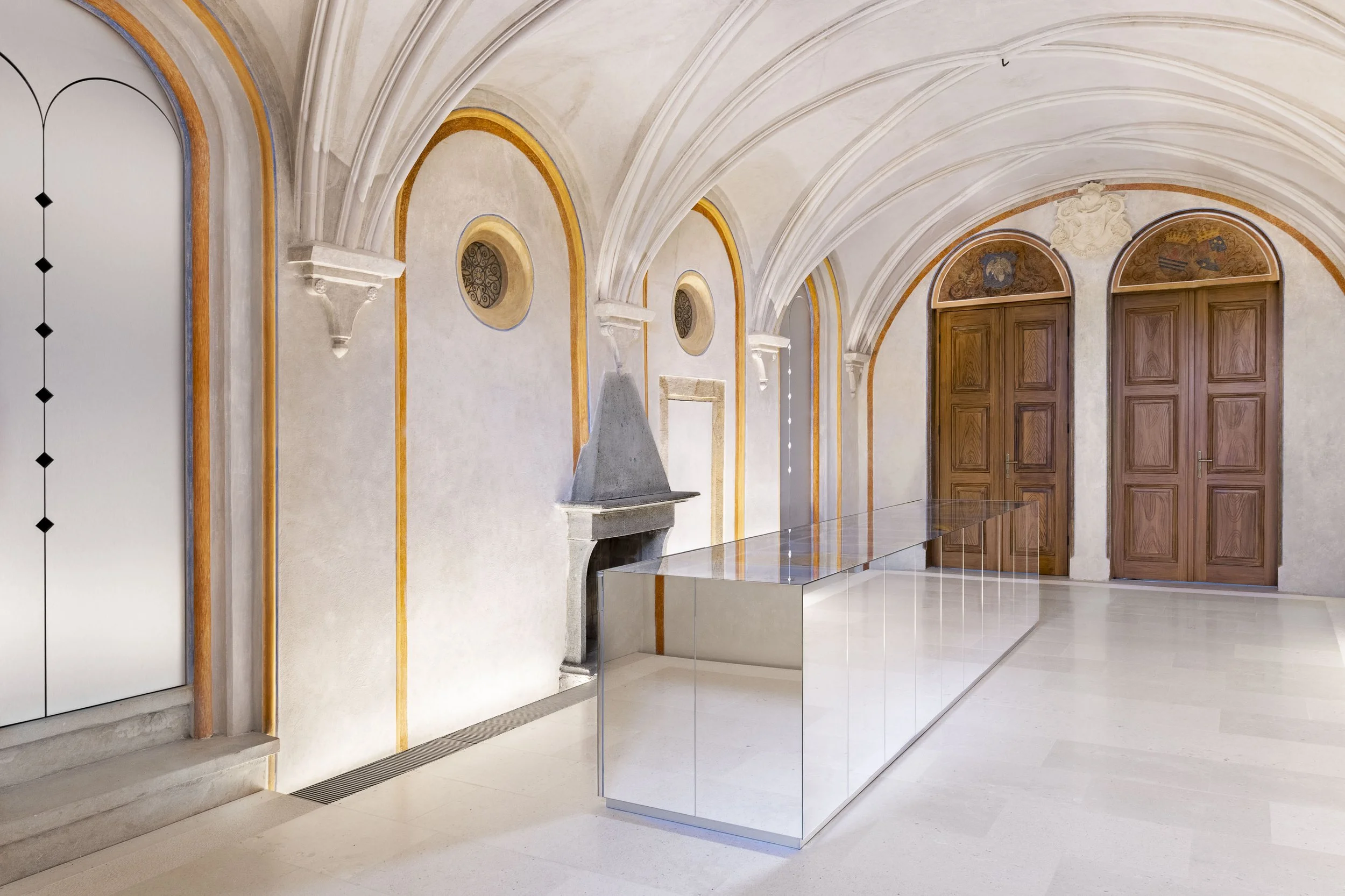
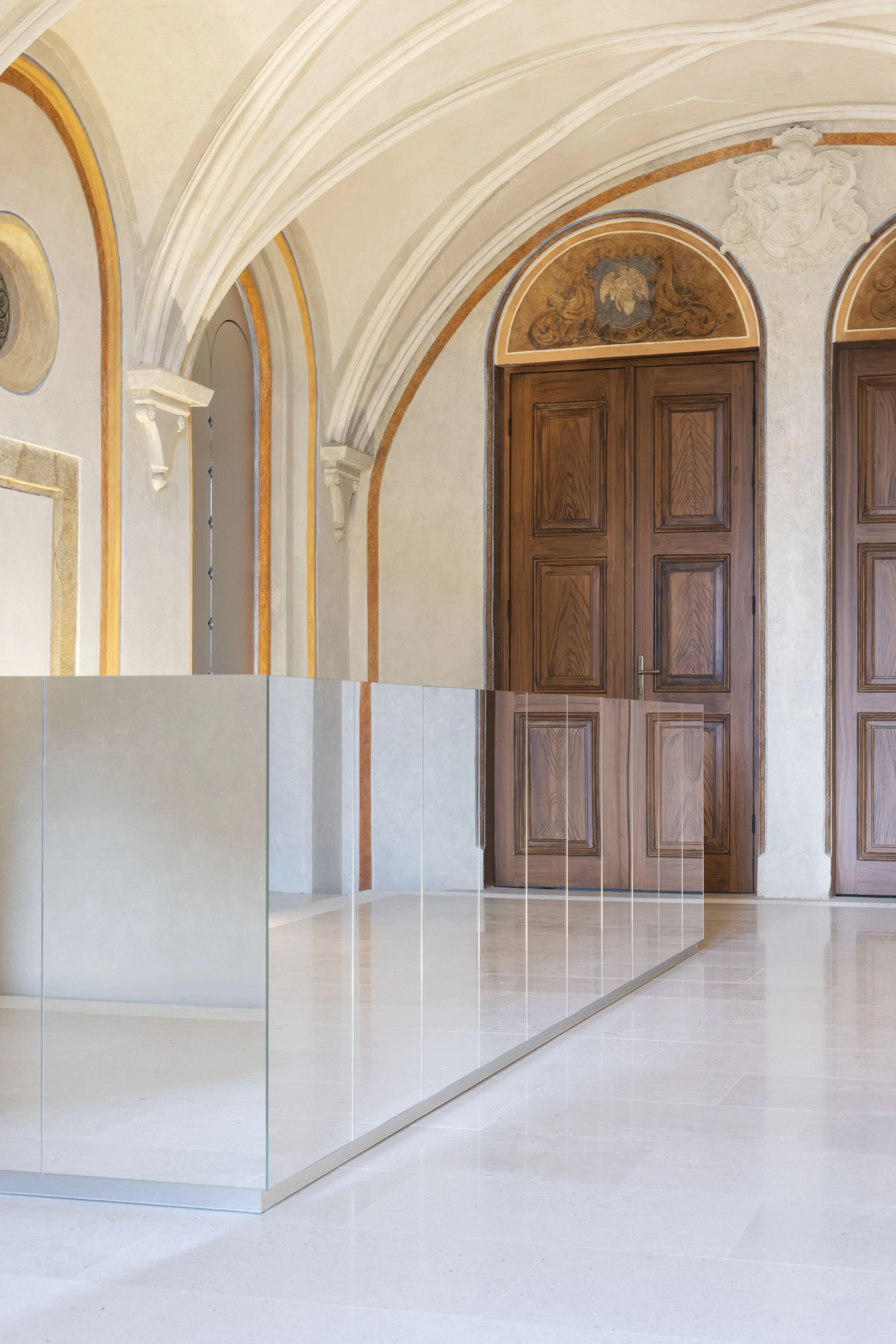
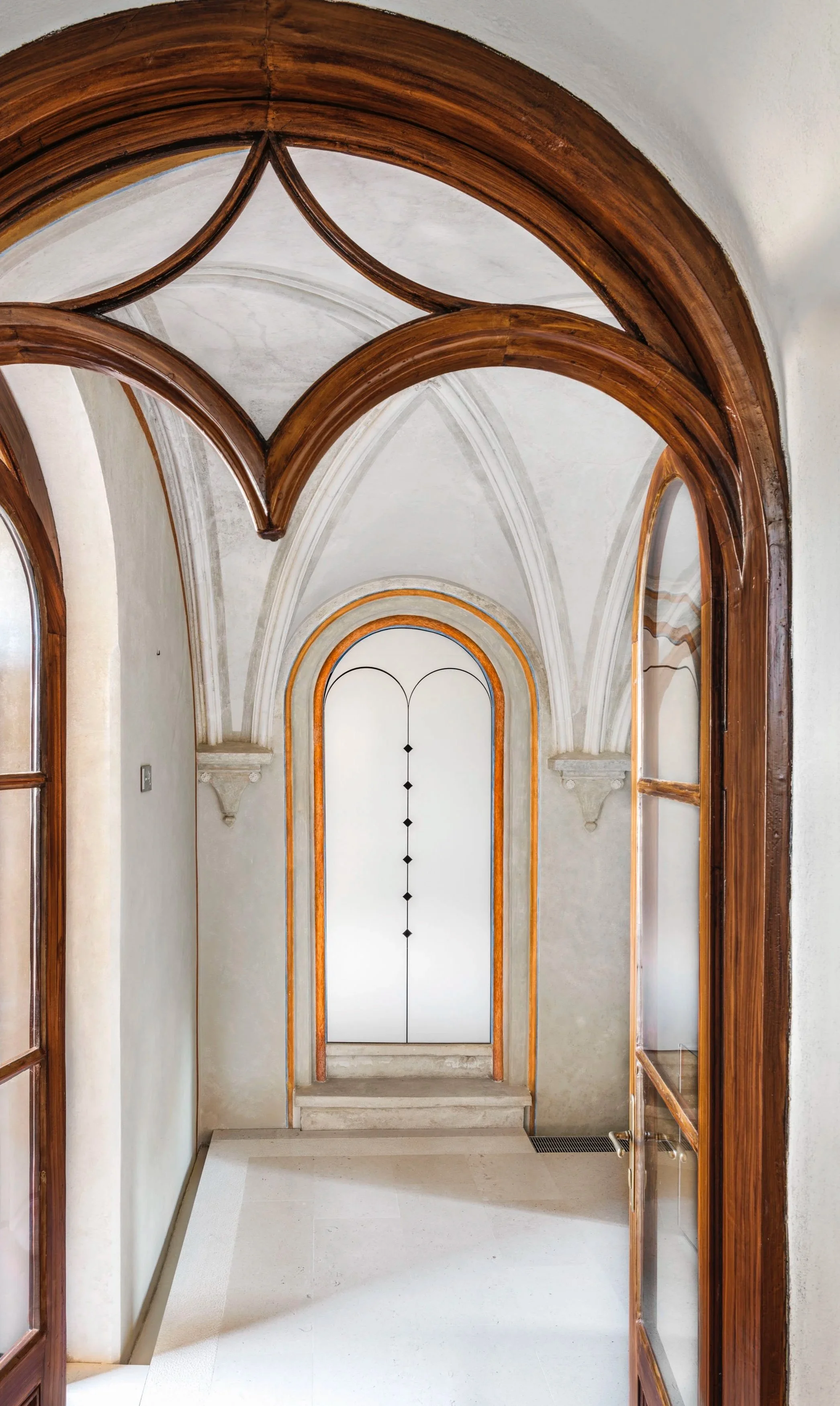
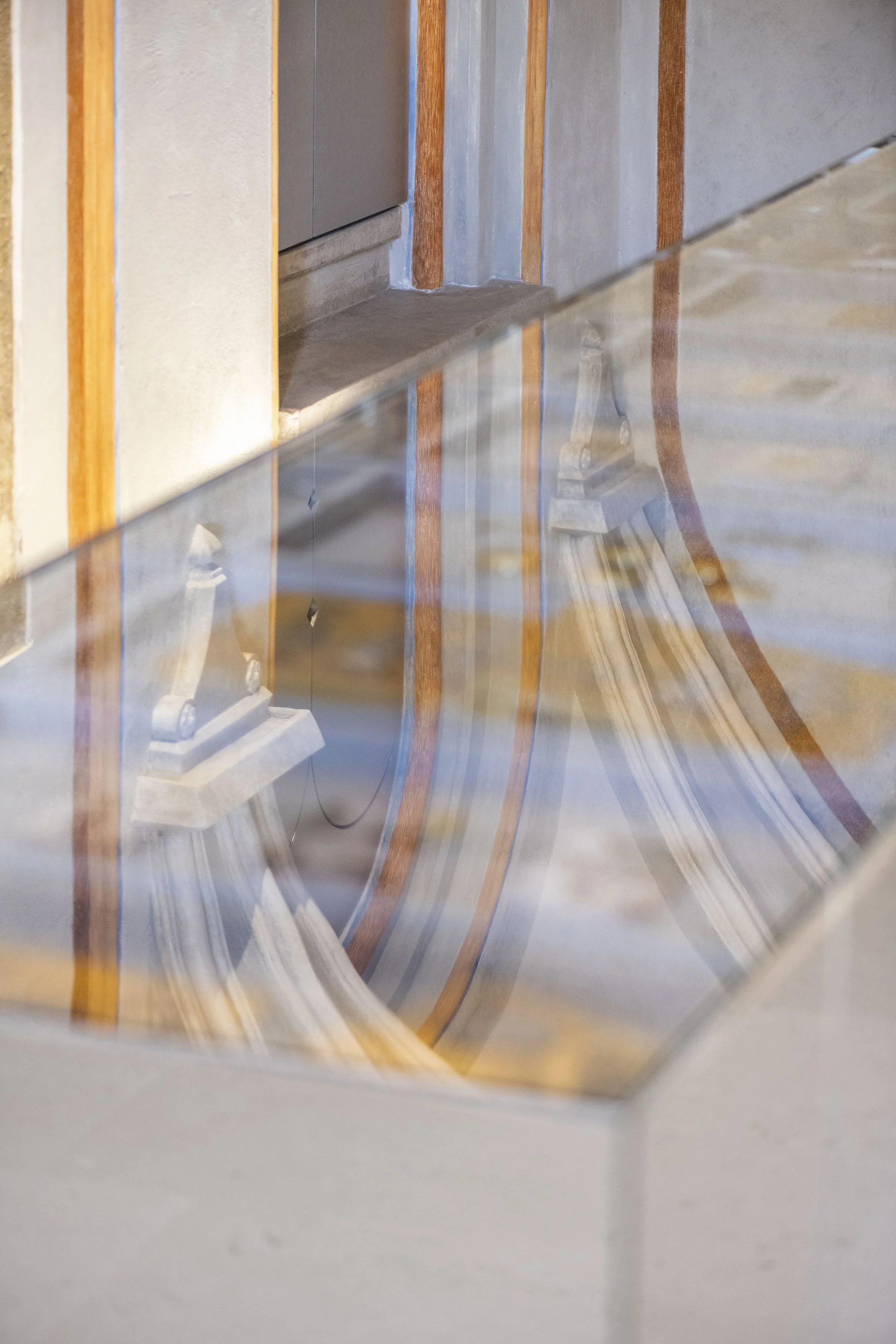
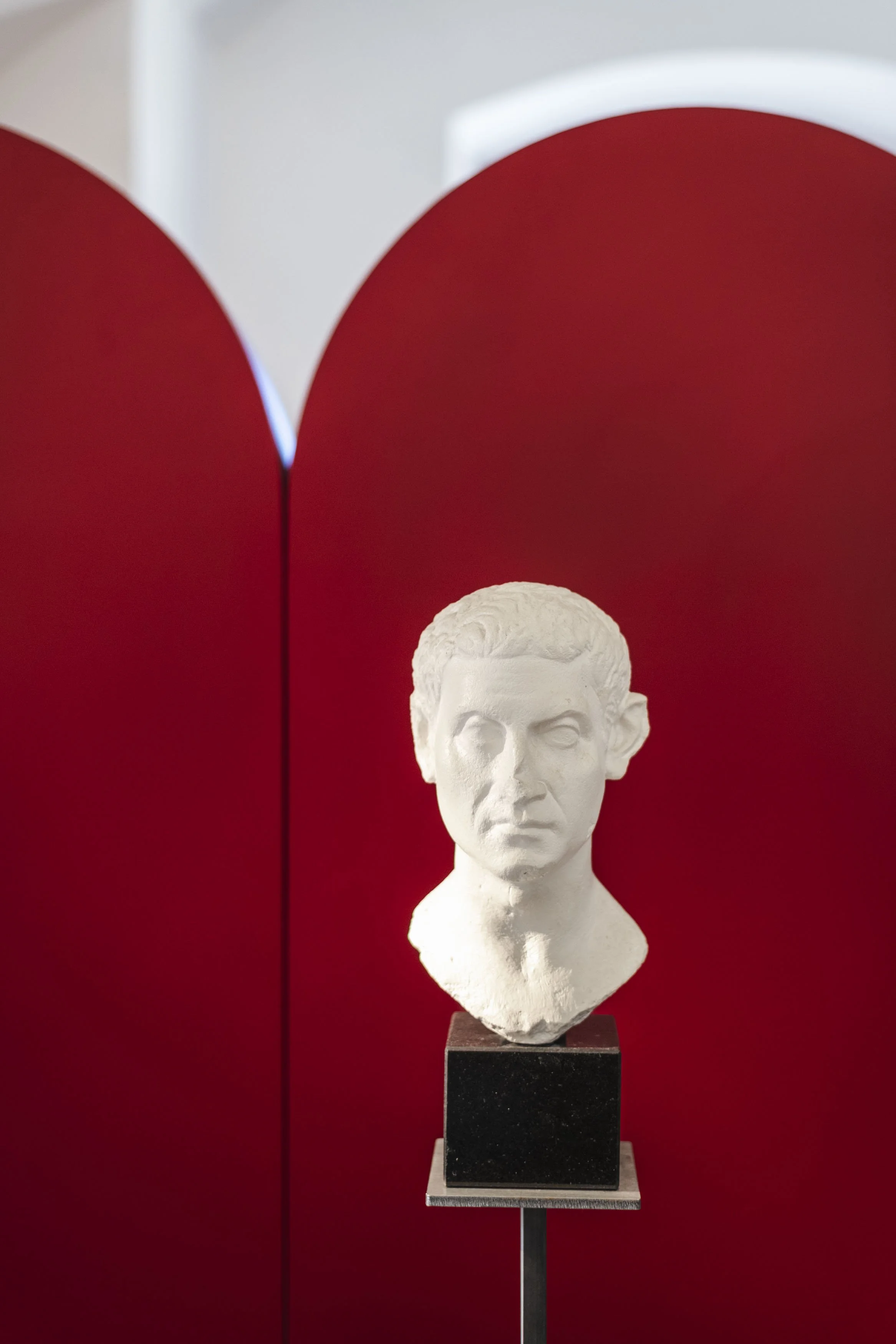
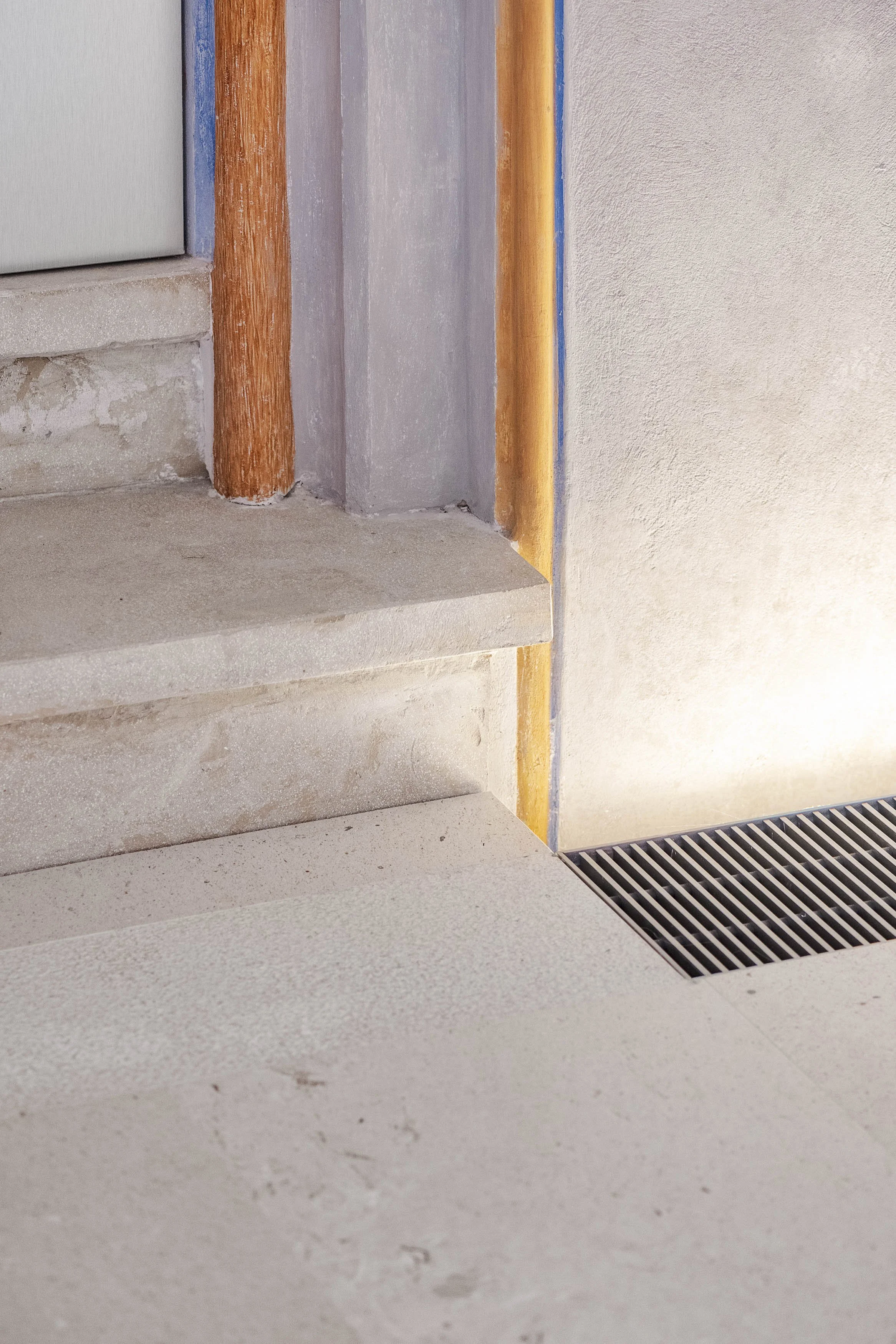
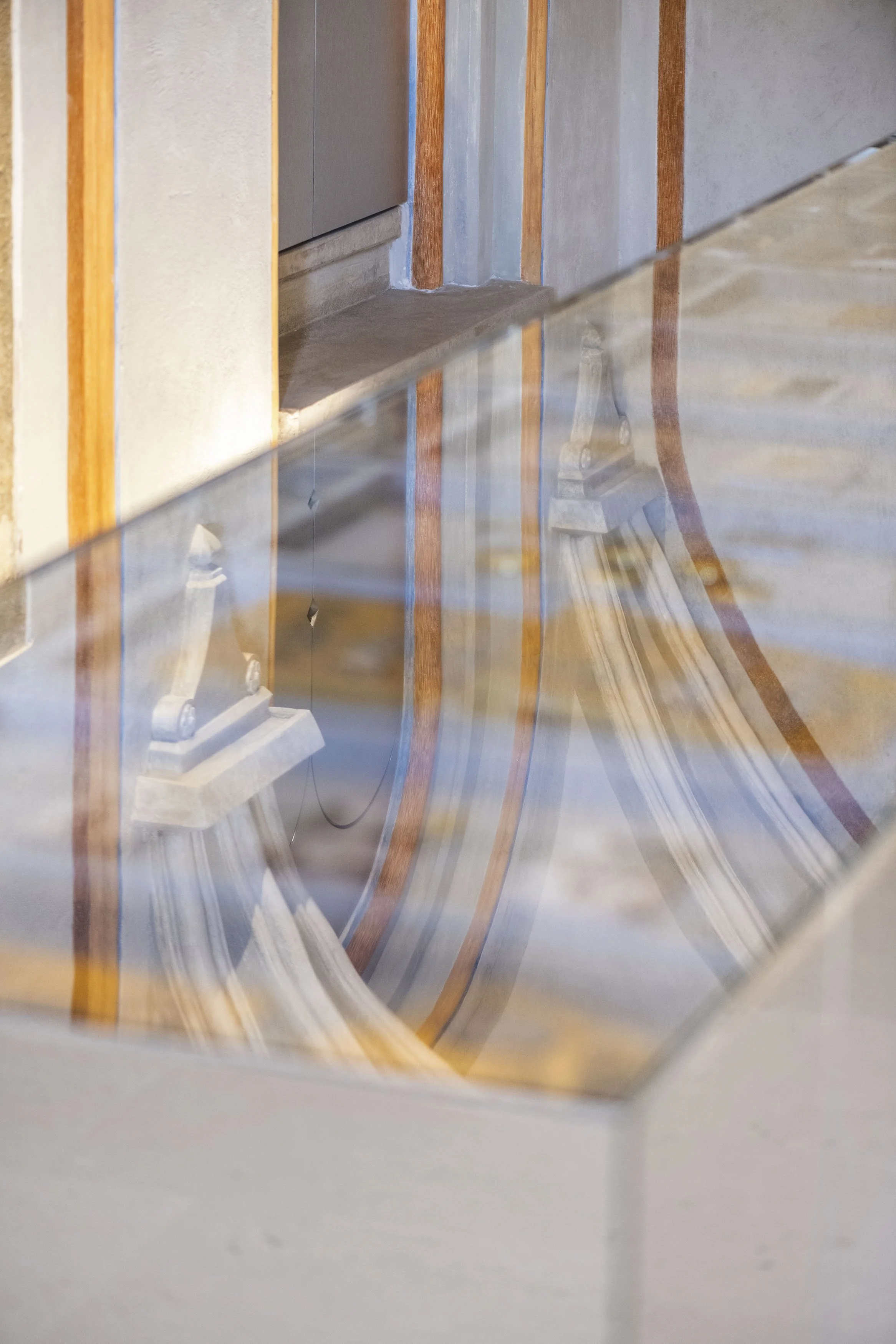
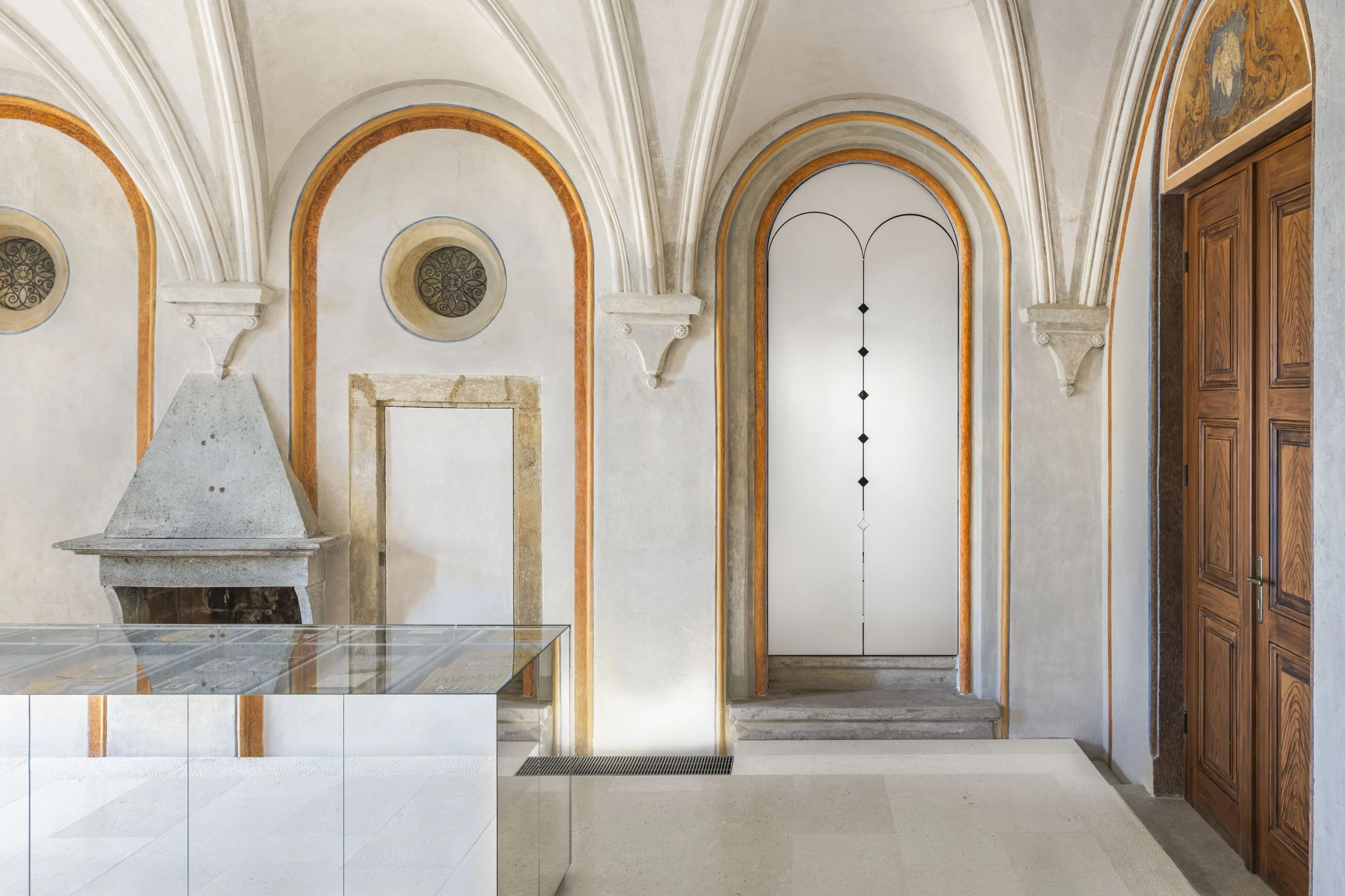
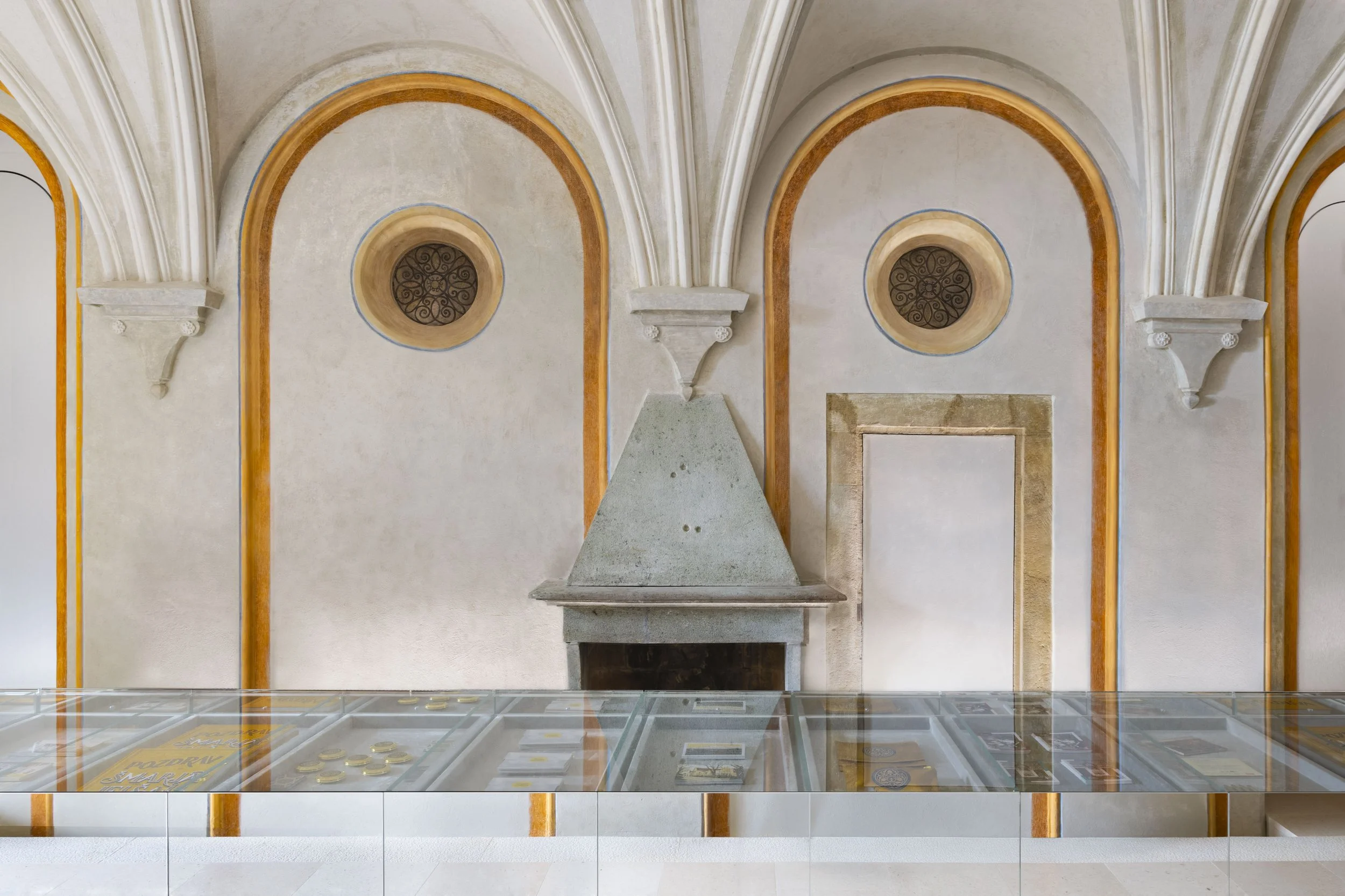
The intervention preserves, restores, and reconstructs the surviving historical fabric while introducing a new architectural layer with clarity and restraint. In the entrance hall and adjoining rooms, original wall and ceiling paintings, fragments of stone flooring, and historic joinery were uncovered and restored after the removal of later invasive alterations. A new stone floor, conceived after the logic of the original one, integrates all technical installations and allows the restored walls and ceilings to remain visually intact. New furnishings and inserted elements are deliberately contemporary in expression, yet carefully composed to resonate with the proportions, rhythms, and atmosphere of the existing spaces.
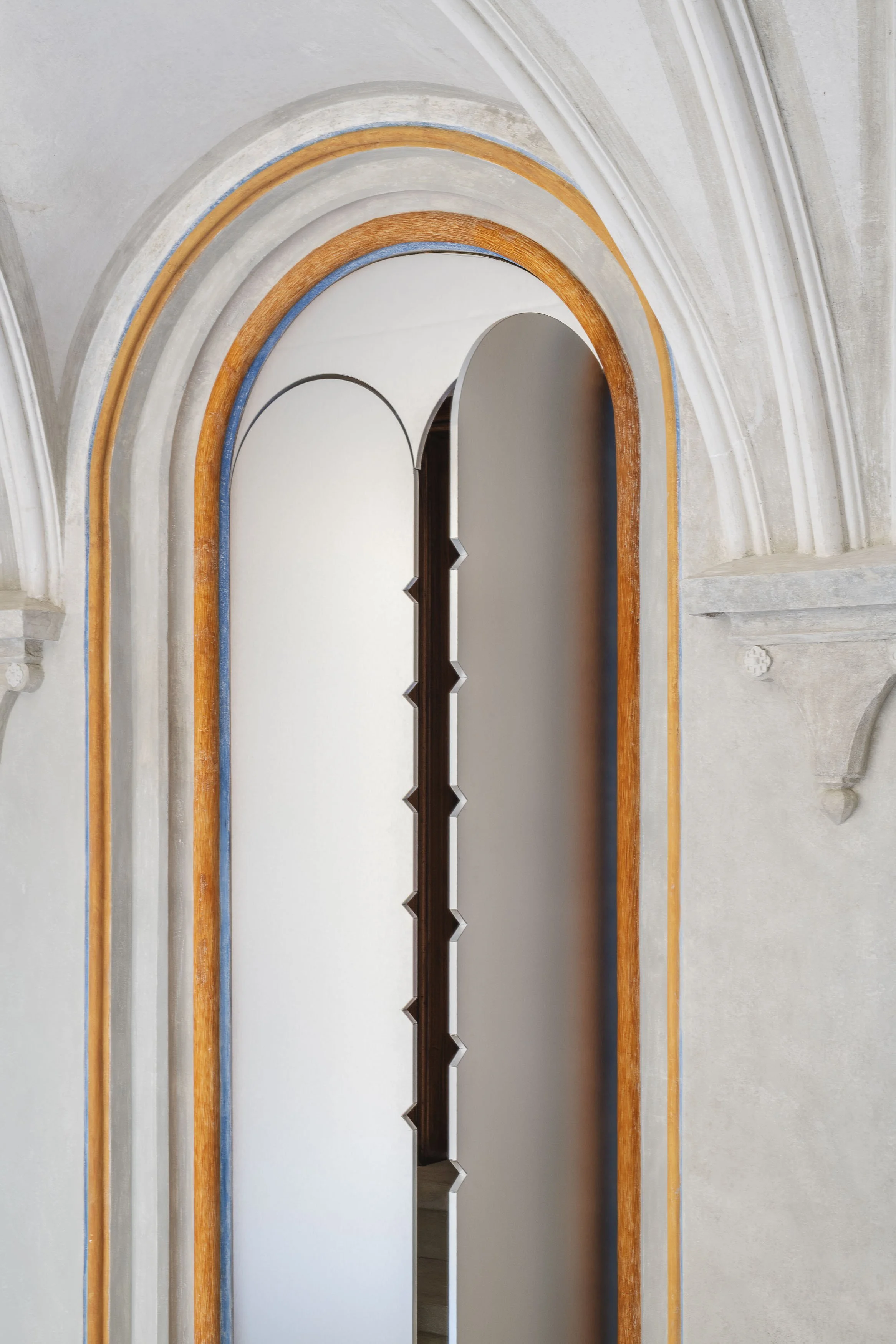
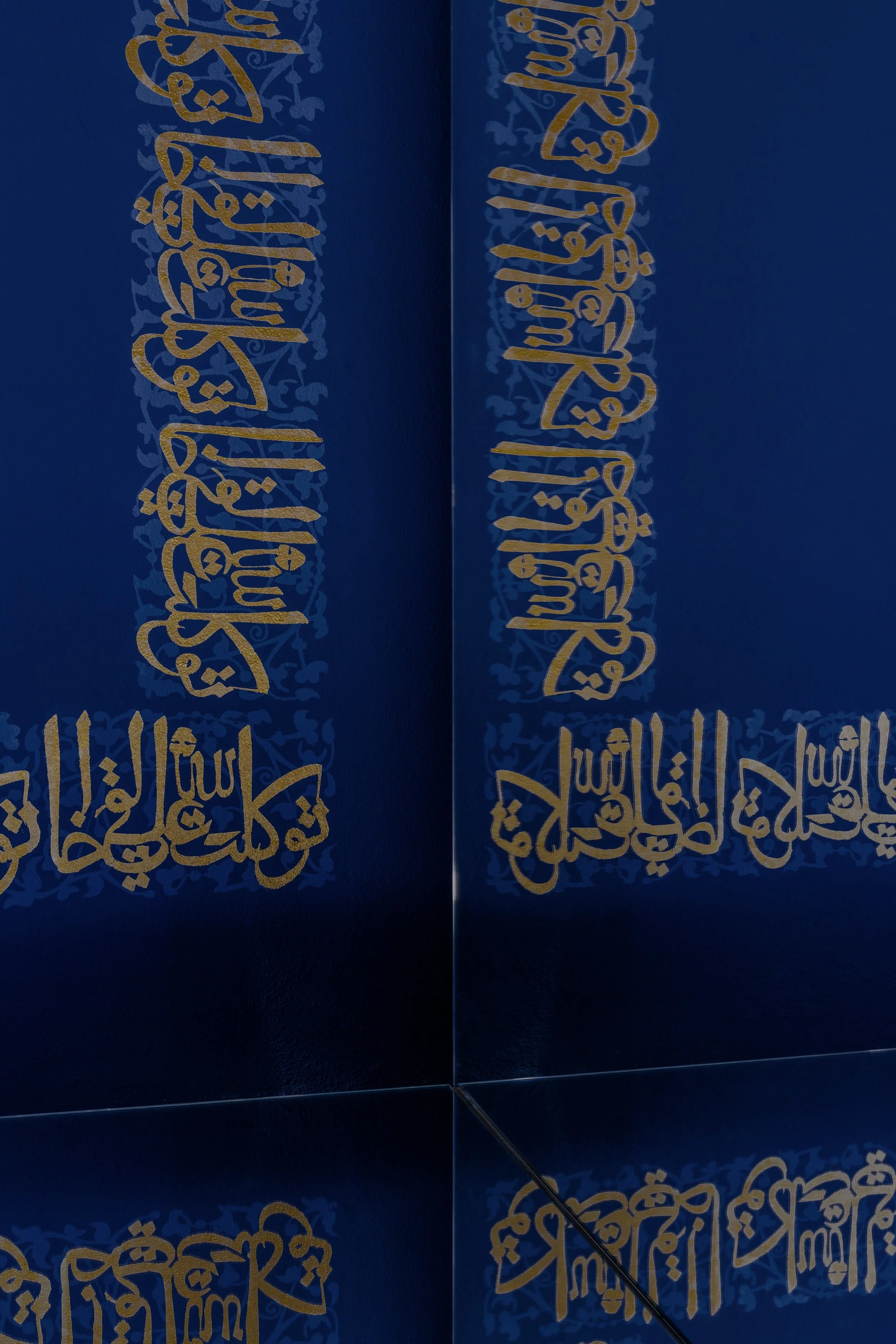
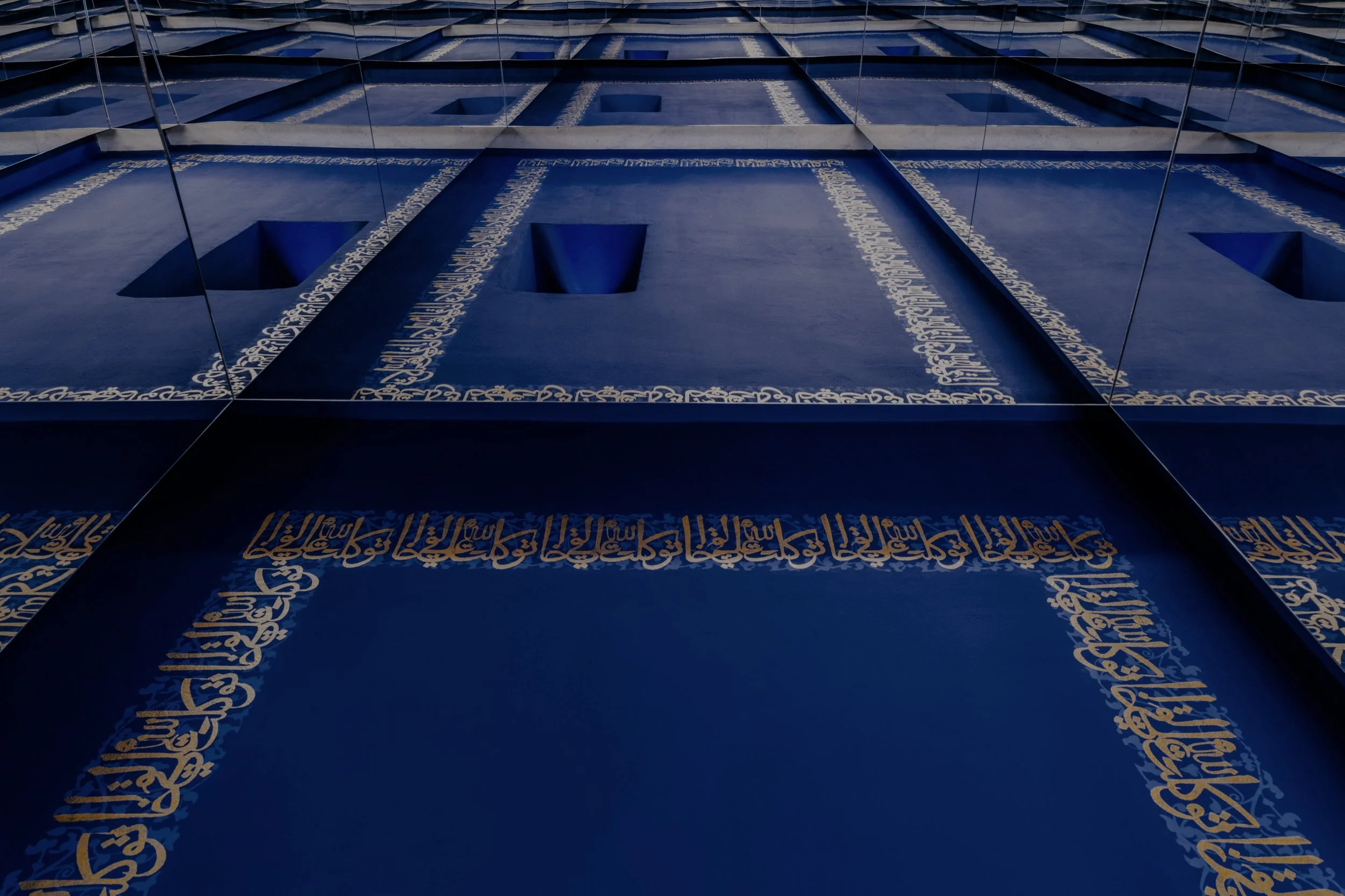
The renewed interiors are conceived as spaces of presentation, reception, and interpretation. Alongside the entrance hall, the first phase includes the hunting room, rooms opening onto the terrace, and the so-called illusion room. Conceived in response to the hegemony of vision in contemporary culture, this space shifts attention toward illusion and the activation of the other senses. Its atmosphere is constructed through reflection, sound, scent, ornament, and script: mirrors generate spatial ambiguity, the sound of the Arabic lute introduces an acoustic layer, oriental fragrance shapes the sensory field, while Islamic patterns and Arabic letters evoke a world of repetition, depth, and cultural memory. In this way, the room becomes an immersive interior — less an exhibition space than an atmospheric device, extending the orientalist dimension of Jelšingrad into a contemporary interpretive experience.